Fly-tipping removal
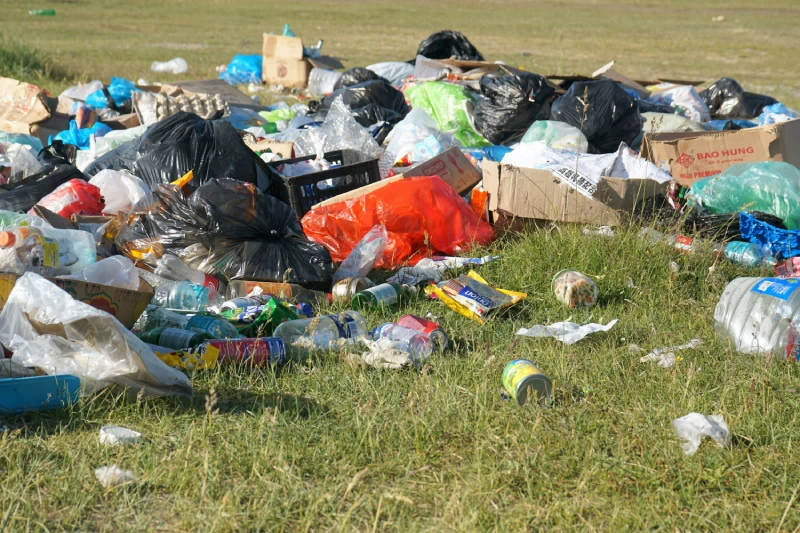
Fly-tipped waste on your land? Record it first. Then get it cleared properly.
We assess and remove suitable fly-tipped waste from private land, subject to access, waste type and safe handling. Send photographs before moving anything and tell us whether the incident has been reported.
What to Do Before Anyone Moves the Waste
Fly-tipping is a crime, and the dumped material may contain evidence or hidden hazards. Do not start sorting through bags or loading it into a vehicle.
Keep your distance. Do not open bags, drums or containers. Keep children, animals and members of the public away where possible.
Record what you found. Take photographs or video from a safe position. Note the location, date, time found and any vehicle, person or identifying detail.
Report the incident. Report fly-tipping to the local council. Large-scale, organised or serious hazardous dumping may also need reporting to the Environment Agency or another authority.
Check before clearing. Ask the investigating authority whether it has finished gathering evidence before arranging removal.
Use an authorised carrier. Once removal can go ahead, use a registered waste carrier and keep the required disposal records.
Fly-Tipping on Private Land
If waste has been dumped on private land, the owner or occupier will usually have to arrange and pay for safe removal, even though they did not dump it. The council may investigate, but investigation and removal are separate issues.
Send clear photographs, the location, access details and anything you know about the waste. We will tell you whether it appears suitable for our service and what needs to happen next.
- Driveways and private roads: Remove dumped furniture, bags and suitable mixed waste after the incident has been recorded and reported.
- Landlord and managed property: Clear agreed waste from private parking, bin stores, yards and communal land where authority has been confirmed.
- Farms and rural land: Assess accessible small-scale dumping while flagging soil, drums, asbestos and large loads for specialist advice.
- Business premises: Remove suitable dumped waste with the required commercial waste-transfer process.
- Vacant property: Clear accessible dumped waste before sale, letting or building work, subject to ownership and authority.
- Repeat problem areas: Arrange removal and document the job, while recognising that barriers, lighting or cameras are separate preventative measures.
Recorded and reported the fly-tip? Send us the details.

Waste We May Be Able to Remove
Removal depends on what has been dumped, how much there is, where it is and whether it can be handled safely. Clear photographs are essential before quoting.
Bagged general waste where contents can be handled safely
Furniture, mattresses and household items
Suitable non-hazardous mixed waste
Cardboard, packaging and loose recyclable materials
Small quantities of suitable non-hazardous dumped items
Agreed waste from accessible yards, car parks, private roads and land
Sorted, not skipped
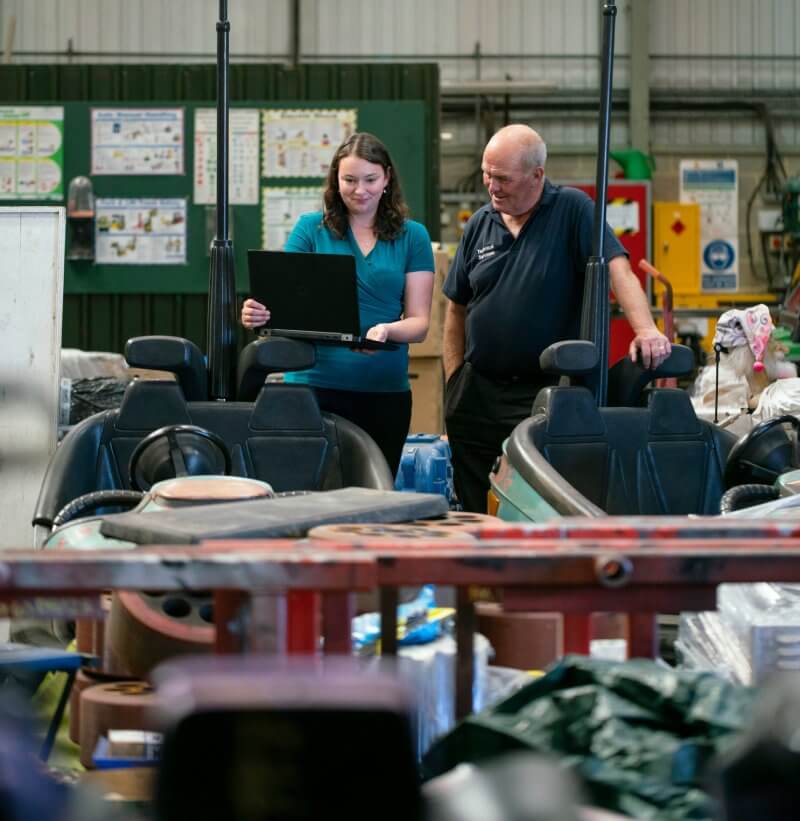
85%+ diverted from landfill
Across the average domestic clearance.
A Clear Process From Report to Removal
Send photographs and the location. Show the full waste pile, surrounding access and anything unusual without opening or disturbing it.
Confirm the incident has been reported. Tell us which authority was contacted and whether it has finished gathering evidence.
We assess the removal. We confirm whether the waste appears suitable for our service or needs a specialist or authority first.
Agree the quote and scope. The quote states what is included, any exclusions and the agreed waste-transfer requirements.
We remove the agreed waste. The suitable waste is loaded and taken through the correct route, subject to the final agreed service.
Common Questions
Who removes fly-tipping from private land?
The owner or occupier will usually need to arrange and pay for removal. The council may investigate the offence but is generally not responsible for clearing private land.
Should I report fly-tipping before arranging removal?
Yes. Record and report it before disturbing the waste, then check whether the authority needs to gather evidence before clearance begins.
Can I search the waste for evidence?
Do not open bags or handle unknown waste. It may contain sharps, chemicals, asbestos or other hazards. Photograph visible details from a safe position and let the investigating authority decide how evidence should be handled.
Can you remove fly-tipping from public land?
Public-land fly-tipping should be reported to the council or body responsible for the land. This service is intended mainly for suitable waste on private land.
How much does fly-tipping removal cost?
The price depends on waste type, volume, weight, access, sorting, labour, disposal charges and whether specialist handling is needed. Photographs are required before a quote can be considered.
Can you remove builders' waste?
Potentially, depending on the material, quantity, weight and access. Soil, rubble, plasterboard, liquids, asbestos and mixed construction waste need to be identified before quoting.
Can you remove asbestos?
Not as ordinary fly-tip removal. Do not disturb suspected asbestos. It needs assessment and an appropriate specialist route.
Can you remove drums, chemicals or unknown liquids?
Not without proper identification and assessment. Keep away from leaking or unknown containers and contact the appropriate authority or hazardous-waste specialist.
Can you remove needles or clinical waste?
These require specialist handling and must be declared before any removal is arranged.
Do you provide before-and-after photographs?
This can be useful for landlords, agents and landowners, but it must be confirmed as part of the agreed service.
Do you provide a waste transfer note?
Waste removed from private or business land needs the correct transfer records. Confirm the exact paperwork supplied as part of the quote before booking.
What if the dumped waste contains names or addresses?
Do not remove or publish personal information yourself. Photograph visible evidence from a safe position and report it to the investigating authority.
How quickly can the waste be removed?
That depends on reporting, evidence collection, waste type, specialist requirements, access and current availability. Immediate danger should be reported to the appropriate authority rather than waiting for an ordinary clearance.
How can I reduce repeat fly-tipping?
Removing waste promptly can help, but repeat prevention may also require gates, barriers, lighting, cameras, signage or changes to access. These are separate from the clearance service.

Tell us what needs clearing — we’ll send a free quote, fast.
Photos by WhatsApp are the fastest way to a price. We typically reply same day, and we won’t pressure you.